












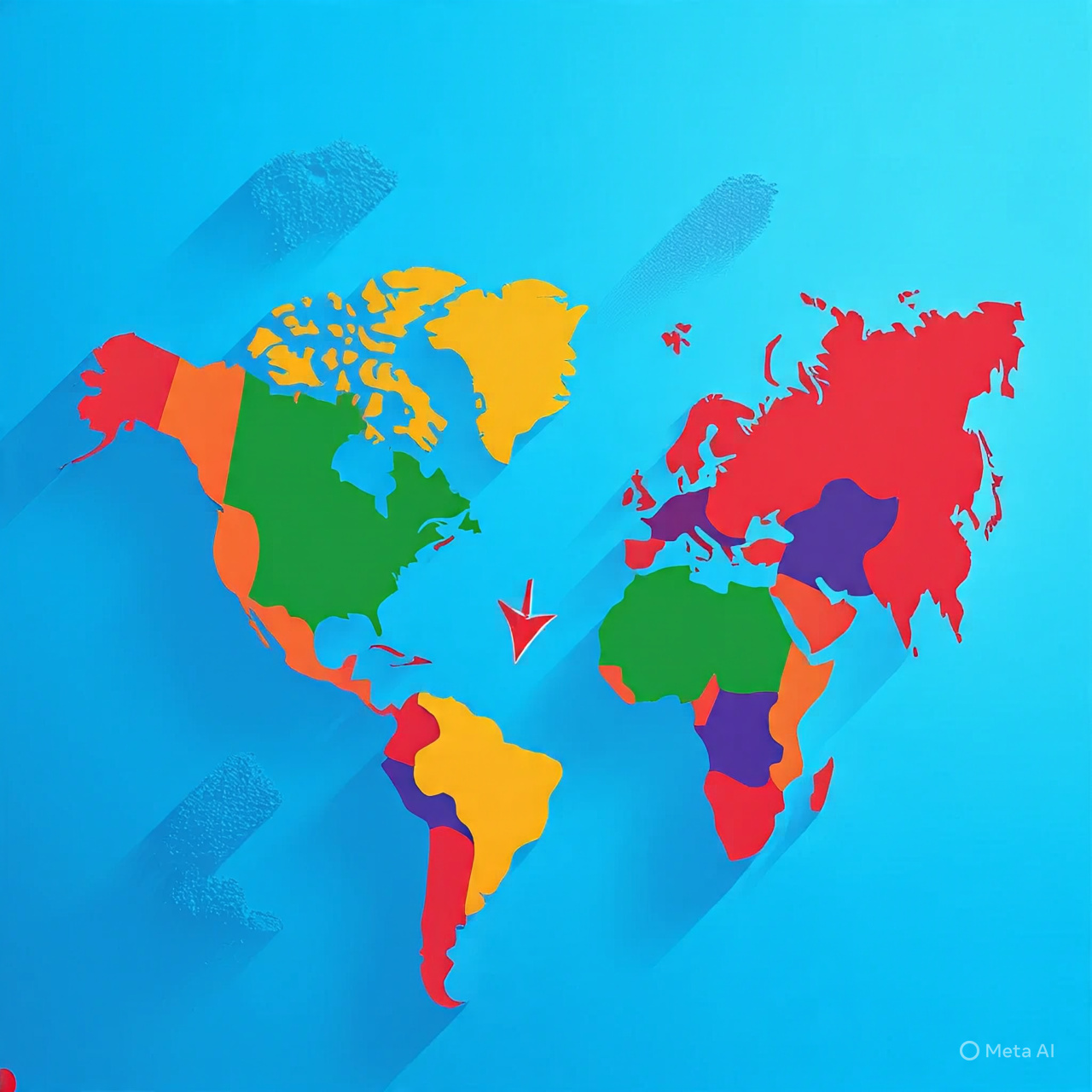
From ancient city-states surrounded by centuries of religious heritage to tropical island nations preserving unique traditions in remote corners of the planet, the world’s smallest countries demonstrate that greatness can come in surprisingly compact forms.
These microstates and small nations occupy only tiny portions of the globe’s landmass, but they have often played outsized roles in international diplomacy, commerce, religion, tourism, and cultural development. Their stories reveal how geography, history, and human ingenuity can combine to shape societies that are both distinctive and resilient.
This journey through the world’s smallest countries explores their fascinating histories, cultural identities, culinary traditions, architectural treasures, and modern lifestyles. Along the way, it becomes clear that these nations, despite their modest physical dimensions, possess extraordinary depth and character.
Why Small Countries Matter in a Globalized World
The notion that national importance correlates with territorial size is increasingly outdated. Many of the world’s smallest countries enjoy some of the highest standards of living, strongest economies, and most stable political systems on the planet.
Small nations often benefit from strong social cohesion, efficient governance, and a distinct sense of identity. Their compact size can facilitate community engagement and preserve traditions that might otherwise be diluted by rapid globalization. At the same time, many have embraced international trade, tourism, financial services, and innovation to overcome the limitations imposed by geography and natural resources.
The world’s smallest countries therefore offer unique insights into cultural preservation, economic adaptation, and national resilience in an interconnected age.
Vatican City: The Spiritual Heart of Catholicism
At merely 0.49 square kilometers, Vatican City is the world’s smallest independent state. Entirely surrounded by Rome, Italy, it serves as the headquarters of the Roman Catholic Church and the residence of the Pope.
Despite its tiny size, Vatican City exerts enormous global influence. It welcomes millions of pilgrims and visitors annually who come to admire St. Peter’s Basilica, the Vatican Museums, and the Sistine Chapel, whose ceiling was famously painted by Michelangelo.
The cultural significance of Vatican City extends far beyond religion. Its collections preserve some of humanity’s most valuable artistic and historical treasures. Walking through its galleries feels like traversing centuries of European civilization.
The culinary traditions found within Vatican walls reflect both Italian influences and the international character of the Catholic Church. Visitors often enjoy Roman specialties such as cacio e pepe, carbonara, and traditional espresso while exploring the surrounding districts.
Vatican City illustrates how a nation’s impact can be immeasurable even when its geographical footprint is almost invisible on a world map.
Monaco: Luxury on the Mediterranean
Nestled along the French Riviera, Monaco occupies just over two square kilometers, making it the second-smallest sovereign state in the world.
Monaco is synonymous with luxury, elegance, and prestige. The principality’s glamorous reputation stems from its famous Monte Carlo Casino, lavish hotels, luxury yachts, and international events such as the Formula One Monaco Grand Prix.
Historically, the Grimaldi family has ruled Monaco for more than seven centuries, creating one of the world’s oldest dynastic traditions. This remarkable continuity contributes to a strong sense of national identity despite the country’s cosmopolitan atmosphere.
Monégasque cuisine combines French and Italian influences. Traditional dishes include barbagiuan, a fried pastry filled with vegetables and cheese, and fougasse monégasque, a sweet bread flavored with nuts and orange blossom.
Beyond its image of wealth, Monaco demonstrates how strategic economic policies and tourism can transform a tiny territorial entity into a globally recognized destination.
Nauru: The Tiny Republic of the Pacific
Nauru, covering approximately 21 square kilometers, is the world’s smallest island republic.
Located in the central Pacific Ocean, Nauru possesses a unique history shaped by colonial rule, phosphate mining, and geographic isolation. During the twentieth century, phosphate deposits generated considerable wealth for the nation, although overexploitation later created significant environmental challenges.
Culturally, Nauru’s population has preserved traditional music, storytelling, and community-oriented values despite external influences. Social life remains strongly centered around family relationships and local traditions.
Seafood dominates local cuisine, with fish playing a central role in everyday meals. Tropical fruits such as coconuts and pandanus also feature prominently in traditional diets.
Nauru’s story highlights the complexities facing small island nations as they balance economic development, environmental sustainability, and cultural preservation.
Tuvalu: A Nation on the Front Line of Climate Change
Spread across nine coral islands in the Pacific Ocean, Tuvalu covers only 26 square kilometers.
Few countries attract as much attention in climate discussions as Tuvalu. Rising sea levels pose significant challenges to its future, making it one of the most symbolically important nations in global environmental debates.
Yet Tuvalu is far more than a climate change case study. It possesses a vibrant Polynesian culture characterized by traditional dance, music, communal celebrations, and strong social bonds.
The preparation of seafood, breadfruit, taro, and coconut-based dishes remains deeply intertwined with local customs and family gatherings.
Life in Tuvalu unfolds at a pace that contrasts sharply with the hectic rhythm of modern urban centers. Community, respect for elders, and connection to nature remain central pillars of daily existence.
San Marino: Europe’s Ancient Republic
San Marino, surrounded by Italy, proudly claims to be one of the oldest republics in the world.
Founded according to tradition in the fourth century, this mountainous microstate occupies just over 60 square kilometers. Despite its small size, its medieval heritage attracts visitors from across the globe.
The historic center, perched atop Mount Titano, features stone fortresses, narrow streets, and panoramic views of the Italian countryside. The atmosphere evokes a living museum where centuries of history remain visible.
Traditional cuisine reflects the flavors of the Emilia-Romagna and Marche regions. Handmade pasta, local wines, roasted meats, and artisan cheeses occupy prominent places on restaurant menus.
San Marino demonstrates how historical continuity can become a defining asset for national identity and tourism.
Liechtenstein: Alpine Sophistication
Situated between Switzerland and Austria, Liechtenstein encompasses approximately 160 square kilometers of spectacular Alpine landscapes.
The country is known for its high standard of living, robust financial sector, political stability, and exceptional quality of life.
Despite its economic success, Liechtenstein remains deeply connected to its cultural heritage. Traditional music, folk festivals, and winter celebrations continue to play an important role in civic life.
The local cuisine combines influences from neighboring Alpine regions. Typical meals feature cheese, potatoes, game meats, and hearty seasonal ingredients designed for mountain living.
Visitors are often surprised by the coexistence of modern prosperity and strong rural traditions that characterize this unique principality.
The Marshall Islands: A Nation of Atolls
The Marshall Islands consist of numerous coral atolls scattered across a vast area of the Pacific Ocean.
While their land area remains small, their maritime territory is immense. Historically, these islands served as important navigation points for Pacific peoples long before European exploration.
Traditional Marshallese culture includes sophisticated navigation techniques developed through generations of oceanic experience. Master navigators could interpret waves, winds, and stars with remarkable precision.
Fish, coconut products, breadfruit, and tropical fruits remain staples of local cuisine, reflecting the intimate relationship between island communities and the ocean.
Today, the Marshall Islands face the dual challenge of preserving cultural heritage while adapting to environmental changes affecting many low-lying island nations.
Saint Kitts and Nevis: Caribbean History and Hospitality
As the smallest sovereign state in the Western Hemisphere, Saint Kitts and Nevis offers a remarkable blend of colonial heritage and Caribbean charm.
The nation’s history reflects centuries of European competition, plantation agriculture, and cultural exchange. Historic sugar estates continue to shape the islands’ landscape and collective memory.
Music plays a central role in local culture, particularly during carnival celebrations that bring together colorful costumes, dance, and vibrant performances.
Culinary traditions blend African, European, and Caribbean influences. Fresh seafood, spicy stews, tropical fruits, and rum-based specialties define much of the local gastronomy.
The islands’ welcoming atmosphere has made them increasingly popular among travelers seeking authentic Caribbean experiences.
Maldives: Luxury and Island Culture
The Maldives consists of nearly 1,200 coral islands scattered across the Indian Ocean.
Internationally celebrated for its white-sand beaches and turquoise lagoons, the Maldives has become one of the world’s leading luxury tourism destinations. Yet beneath the resort experience lies a rich cultural heritage influenced by South Asia, Arabia, Africa, and maritime trade networks.
Traditional Maldivian music often features bodu beru performances, characterized by energetic drumming and communal participation.
Fish forms the foundation of the national cuisine, particularly tuna prepared with coconut, spices, and rice. Dishes such as mas huni illustrate the country’s distinctive culinary identity.
The Maldives exemplifies how natural beauty and cultural heritage can coexist within a rapidly evolving tourism economy.
Malta: A Small Country with a Monumental Past
Although larger than several microstates, Malta remains one of Europe’s smallest countries and one of its most fascinating historical crossroads.
Strategically located in the Mediterranean Sea, Malta has been influenced by Phoenicians, Romans, Arabs, Normans, Knights Hospitaller, French rulers, and the British Empire.
This extraordinary historical layering is visible throughout the archipelago’s architecture, language, and traditions. Ancient temples older than the pyramids stand alongside baroque churches and British colonial buildings.
Maltese cuisine reflects centuries of cultural encounters. Popular dishes include rabbit stew, pastizzi pastries, fresh seafood, and richly flavored Mediterranean specialties.
The nation’s festivals combine religious devotion, music, fireworks, and community celebration, creating unforgettable cultural experiences.
Andorra: Mountains, Traditions, and Modernity
Nestled high in the Pyrenees Mountains between France and Spain, Andorra is among Europe’s most picturesque small states.
Historically isolated by mountain terrain, Andorra developed a unique political identity characterized by remarkable stability and independence.
Today, tourism drives much of the economy, particularly skiing and outdoor recreation. Nevertheless, Andorran traditions remain vibrant through folk festivals, seasonal celebrations, and local crafts.
The cuisine emphasizes mountain ingredients, including cured meats, mushrooms, game, and hearty stews designed to withstand Alpine winters.
Andorra represents a successful balance between preserving heritage and embracing modern economic opportunities.
Shared Characteristics of the World’s Smallest Countries
Although geographically diverse, many small nations share common traits that contribute to their distinctive identities.
Strong Community Bonds
In smaller populations, social relationships often remain highly interconnected. Families, neighbors, and local institutions play important roles in maintaining social cohesion.
Cultural Preservation
Many microstates possess strong incentives to protect linguistic traditions, local customs, and historical heritage that distinguish them from larger neighboring countries.
Economic Specialization
Unable to rely on vast natural resources, small countries frequently develop specialized economic sectors such as tourism, finance, shipping, technology, or niche exports.
Environmental Awareness
Island and microstates often display heightened awareness of environmental challenges because changes in ecosystems can have immediate and visible consequences.
Global Connectivity
Despite their size, many small countries maintain extensive international networks, demonstrating that modern influence depends increasingly on connectivity rather than geography.
Hidden Cultural Treasures Beyond Size
Visitors often discover that the greatest attraction of small countries is not their monuments or scenery but their unique cultural identities.
Traditional festivals continue to animate village squares. Family recipes pass from one generation to the next. Local dialects preserve linguistic expressions found nowhere else in the world. Centuries-old customs survive because communities remain closely connected to their collective history.
In these nations, cultural experiences frequently feel more personal and authentic than in larger destinations. Travelers can interact directly with local artisans, fishermen, farmers, and community leaders, gaining deeper insights into everyday life.
The intimacy of these encounters often becomes the most memorable aspect of visiting small states.
The Future of Small Nations in the Twenty-First Century
As globalization reshapes economies and societies, the world’s smallest countries face both opportunities and challenges. Digital transformation enables participation in global markets regardless of geographical constraints. Tourism continues to generate revenue, while cultural branding helps nations distinguish themselves internationally.
At the same time, many small states confront pressing issues including environmental vulnerability, climate change, resource limitations, and demographic shifts. Their ability to adapt while preserving cultural identity will help determine their future success.
Increasingly, these countries are also becoming laboratories for innovation in sustainability, renewable energy, environmental governance, and digital development.
Far from being peripheral actors, many of the world’s smallest nations are helping shape conversations about resilience, adaptation, and sustainable development.
Conclusion
The world’s smallest countries offer a powerful reminder that national significance cannot be measured in square kilometers. From the spiritual influence of Vatican City and the glamour of Monaco to the cultural resilience of Tuvalu, Nauru, and the Marshall Islands, these nations possess identities forged through unique historical experiences and enduring traditions.
Their cuisines tell stories of geography and migration. Their festivals celebrate centuries of collective memory. Their landscapes reveal both natural beauty and human adaptation. Most importantly, their cultures demonstrate that richness of heritage often flourishes most vividly in places where communities remain deeply connected to their roots.
In an increasingly interconnected world, the smallest countries continue to prove a simple yet profound truth: greatness is not a question of size, but of history, culture, resilience, and the people who call these remarkable places home.