










A Classroom Without Walls
UNESCO reports that over 1.5 billion learners worldwide engaged in online education in 2025, highlighting its global reach.
The Rise of Online Learning
Online learning platforms democratize access to education.
- Examples: Coursera, Udemy, Khan Academy, edX.
- Advantages: Flexibility, affordability, global access.
- Case Study: During the COVID-19 pandemic, online platforms became lifelines for millions of students.
By 2026, online learning is mainstream, not supplementary.
AI Tutors: Personalized Learning at Scale
Artificial Intelligence tutors adapt to each student’s pace and style.
- Features: Real-time feedback, personalized exercises, adaptive difficulty.
- Example: Duolingo’s AI-driven language learning adjusts lessons based on user progress.
- Impact: Students receive individualized attention once reserved for elite tutoring.
McKinsey predicts that AI tutors will reduce learning gaps by 40% by 2030.
SEO Subtopic: “Online Learning vs Traditional Education”
Searches for “online learning vs classroom” and “AI tutors education” have surged by 300% since 2020. Popular keywords include:
- “future of education online”
- “AI tutors learning”
- “online vs traditional schools”
- “personalized learning AI”
Optimizing content around these terms ensures visibility.
Benefits of Online Learning and AI Tutors
- Accessibility: Students in rural areas access global resources.
- Affordability: Lower costs compared to traditional universities.
- Flexibility: Learn anytime, anywhere.
- Personalization: AI tailors lessons to individual needs.
Case Study: A student in Senegal used Coursera to complete a data science degree, securing a job in fintech.
Challenges and Risks
- Digital divide: Limited internet access in rural regions.
- Quality control: Not all online courses meet academic standards.
- Human interaction: Lack of social engagement compared to classrooms.
- AI bias: Algorithms may reinforce inequalities.
Addressing these challenges is crucial for equitable education.
Innovations Driving the Future
- Virtual Reality (VR): Immersive classrooms for science and history.
- Blockchain: Secure, verifiable academic credentials.
- Gamification: Learning through interactive games.
- Global classrooms: Students collaborate across continents.
Example: Stanford University launched VR-based medical training in 2025, revolutionizing healthcare education.
Case Studies: Real-Life Transformations
- Fatou, Senegalese student: Learned coding via Udemy, now freelances globally.
- James, U.S. teacher: Uses AI tutors to personalize lessons for 30 students simultaneously.
- Priya, Indian entrepreneur: Built an edtech startup offering AI-driven math tutoring.
These stories show education’s evolving landscape.
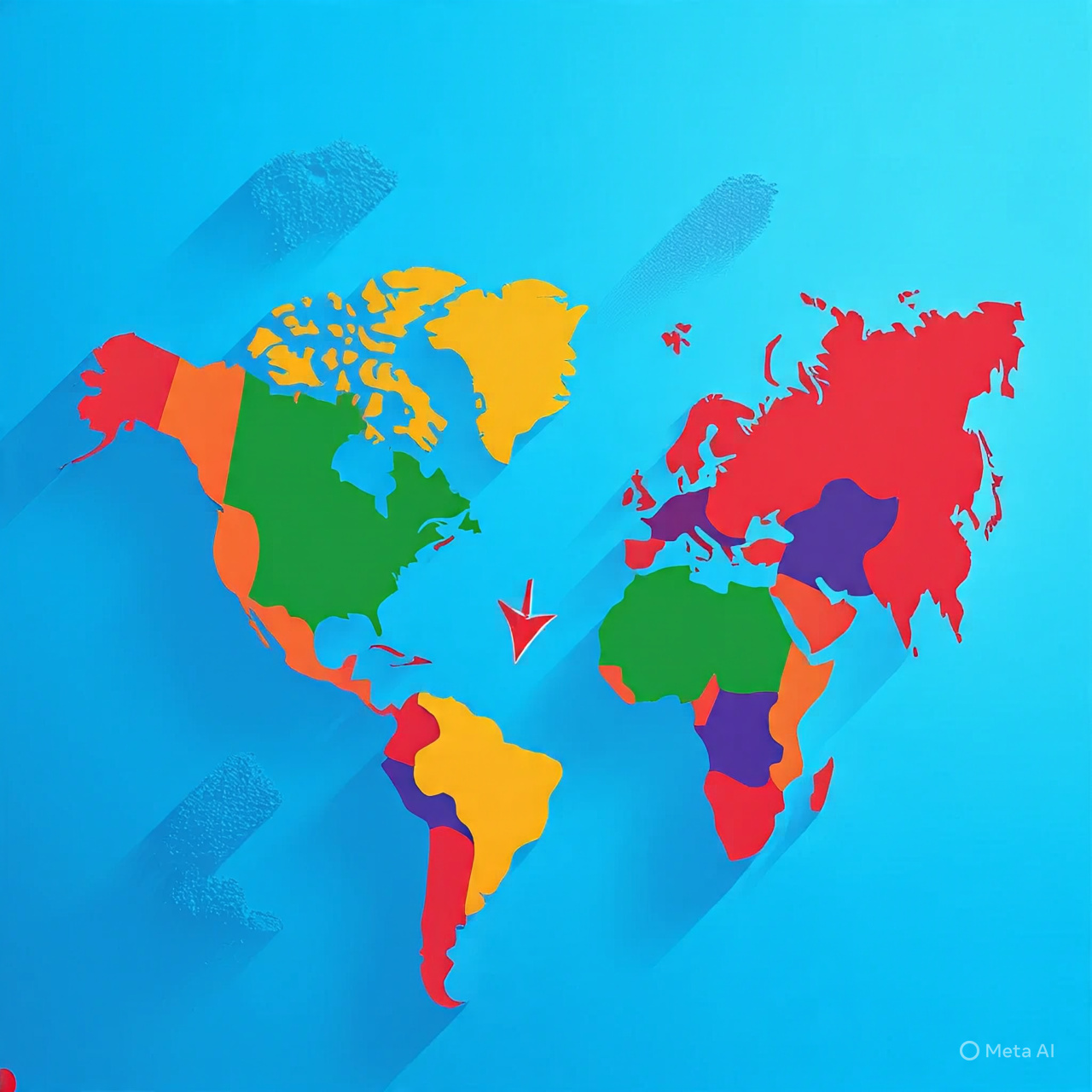
Global Perspectives
- United States: Online universities gaining accreditation.
- Europe: Hybrid models combining online and in-person learning.
- Africa: Mobile-first platforms expanding access.
- Asia: Super apps integrating education into daily life.
Regional differences highlight diverse adoption strategies.
The Role of Governments and Policy
Governments play a vital role in shaping the future of education.
- Investment: Expanding internet infrastructure.
- Regulation: Ensuring quality and accreditation.
- Support: Subsidizing online courses for disadvantaged students.
UNESCO initiatives aim to integrate online learning into national education systems.
The Future of Education by 2030
By 2030, education will be radically transformed:
- AI tutors mainstream: Every student has a digital assistant.
- Global degrees: Accredited online universities rival traditional institutions.
- Immersive learning: VR and AR redefine classrooms.
- Universal access: Education available to anyone with a device.
PwC predicts that online learning will account for 50% of global higher education by 2035.
Conclusion: Knowledge Without Borders
The future of education lies in accessibility, personalization, and innovation. Online platforms and AI tutors are breaking barriers, offering opportunities once unimaginable.
As Nelson Mandela said: “Education is the most powerful weapon which you can use to change the world.” In 2026, that weapon is digital, global, and intelligent.